How to get a good night of sleep?
You don’t need a perfect schedule, a luxury bedroom, or hours of meditation to sleep well. What you need is a few smart habits, a sleep-friendly environment, and practical know-how. This isn’t about magic pills or overnight miracles. It’s about simple, science-backed steps to help you rest, recharge, and wake up feeling ready.
better sleep is possible, with habits + environment + smart tools




Why Sleep Matters
Sleep is more than “just rest.” It is the foundation your body and mind depend on, and when you skip it, everything else suffers.
Sharper memory and better learning: Sleep plays a key role in helping the brain store new information and skills. Without enough rest, learning and recall can suffer. PMC+2Sleep Foundation+2
Strong immune system and long-term health: Quality sleep supports immune function, hormone balance, and overall metabolic health. Chronic poor sleep is linked to higher risks for heart disease, diabetes, and other serious conditions. Cleveland Clinic+2CDC+2
Stable mood and emotional resilience: Restful nights help regulate emotions, improve mental well-being, and boost your ability to handle stress. Without those nights, irritability, poor decision-making, and emotional strain become more common. NCBI+2Johns Hopkins Medicine+2
Daily energy, focus, and performance: Consistent high-quality sleep keeps you alert, sharp, and ready to meet the demands of the day. Without it, fatigue, brain fog, and reduced productivity become the norm. Sleep Foundation+2NHLBI, NIH+2
Sleep is not optional. It is one of the most powerful tools you have for staying healthy, sharp, and energized for your work, your family, and yourself.

Common Sleep Challenges for Adults
Life gets busy. Work, family, stress, screens, unpredictable days, they all chip away at our sleep. These are some of the most frequent obstacles many adults face when trying to get real, restful sleep:
Irregular schedules and “social jet-lag.” Different wake-up and bedtimes on weekdays vs weekends, shifting work hours or late nights make it hard for your body’s internal clock (circadian rhythm) to stay in sync. That mismatch often leads to trouble falling asleep or waking up tired.
Evening stress, racing thoughts, and worn-out minds. Stress at work, parenting demands, mental clutter all make it harder to “turn off” the brain at night. When your mind won’t quiet down, sleep doesn’t come easy.
Late-night screens and lighting. Phones, tablets, computers, TVs their screens emit “blue light,” which tricks your brain into thinking it’s still daytime. This suppresses melatonin (the sleep-trigger hormone) and delays sleep. Sleep Foundation+1
Poor sleep environment: light, noise, temperature, air quality, and comfort. A bedroom that’s too bright, noisy, warm, poorly ventilated or simply uncomfortable can make falling asleep harder and waking up more likely. ScienceDirect+2MDPI+2
Lifestyle factors: caffeine, heavy meals, inactivity or irregular activity, inconsistent habits. Late caffeine, heavy dinners late in the evening, or a day with no structure all can throw off your ability to wind down properly. Physiopedia+1
When multiple of these things pile up irregular schedule, stress, poor environment, habits it becomes easier to end up tired, restless, or wired at night even when you want to sleep.
Foundations of Better Sleep:
Smart Habits & Routines
Life gets busy. Work, family, stress, screens, unpredictable days — they all chip away at our sleep. These are some of the most frequent obstacles many adults face when trying to get real, restful sleep:
Keep a consistent sleep- wake rhythm
Going to bed and waking up at roughly the same time every day helps regulate your body’s internal clock. Even modest consistency, including on weekends, helps your system stay balanced, making it easier to fall asleep and wake up naturally. Sleep Foundation+1
Build a calming pre-bed routine
Give your brain a signal that “daytime is over.” An hour before bed, switch off bright lights and screens, dim household lighting, and wind down with relaxing habits: reading, light stretching, gentle breathing, or journaling. This helps suppress stimulating cues and lets your body and mind gear down for rest.
• Limit stimulants and heavy consumption later in the day
Avoid or cut back on caffeine, heavy meals, large portions, and nicotine close to bedtime. These disrupt digestion, metabolism, and sleep cycles. Alcohol though sometimes used as a sedative also fragments sleep and reduces sleep quality. ScienceDirect+1
• Stay active and get daylight exposure (earlier in the day)
Getting outside and moving during daytime helps regulate circadian rhythm, boost mood, and exhaust your body naturally. A regular rhythm of activity and daylight exposure signals to your brain that night is for rest, making it easier to fall asleep when it’s time.
• Wind down with intention manage stress and mental load before bed
Whether it’s jotting down next-day tasks, meditating, doing light reading, or listening to calming music giving your mind a buffer before bed helps ease stress, anxiety, or lingering tension. Over time this creates a mental habit of associating “pre-bed time” with calmness and closure.
Optimizing Your Sleep Environment
Your sleep habits matter a lot, but so does the space where you sleep. Small adjustments to light, noise, temperature, air quality and bedding can dramatically improve how well you rest each night.
Light, Noise & Quiet
A bedroom free of distracting light and noise is essential. Light at night from outside streetlights, electronics or even dim indoor lighting can confuse your body’s internal clock. That suppresses melatonin and makes it harder to fall asleep. Sleep Foundation+2Exploration Publishing+2
Noise can be just as disruptive. Frequent noise or irregular sounds traffic, neighbors, appliances often trigger micro-arousals, shifting sleep from deep to lighter stages or even causing full wake-ups. PMC+2PMC+2
Practical tweaks:
Use blackout curtains or a sleep mask to block outside light and keep room dark.
Dim household lights 1–2 hours before bed; avoid screens when possible.
Use white-noise machines or fans to mask unpredictable noise or consider earplugs if your surroundings are noisy.
Keep clutter minimal and create a calm, peaceful environment that signals “sleep time.”
Temperature & Air Quality Matter; More Than You Might Think
Your body naturally cools down as you fall asleep. A cool, stable room temperature makes that easier and supports deeper, more restorative sleep. Most experts recommend a bedroom somewhere between about 60°F and 67°F. Sleep Foundation+3Cleveland Clinic+3Lifestyle Medicine Stanford+3
If the room is too warm or fluctuates in temperature it can interrupt your body’s ability to regulate temperature. That tends to chop up deep sleep and cut down on total sleep quality. PMC+2ScienceDirect+2
Air quality also plays a role. Elevated CO₂, humidity or poor ventilation especially in closed bedrooms has been linked to reduced sleep efficiency and more frequent awakenings. ScienceDirect+2PMC+2
Simple environmental habits that pay off:
Keep room temperature around 60–67°F if possible. Adjust bedding to the season.
Use breathable sheets and mattress toppers that allow airflow and heat regulation.
Crack a window (if outdoor air quality allows), use a fan or A/C to promote air circulation.
Avoid excessive humidity or stale air good ventilation matters.
Bedding, Mattress & Sleep Surface – The Foundation of Comfort
Your mattress, bedding and sleep surface have huge influence on comfort, body temperature and how restful your sleep is. A mattress or topper that traps heat or limits airflow can cause overheating, restlessness, and disrupted sleep. Sleep Foundation+2PMC+2
Mattress toppers (or cooling/breathable mattresses) that manage skin temperature keeping it in a comfortable "thermo-neutral" zone — are linked to better perceived sleep quality. Even when objective measures don’t shift dramatically, people report feeling more refreshed and less restless. MDPI+2Sleep Foundation+2
What to look for in bedding & sleep surface:
Breathable, moisture-wickling sheets and covers cotton, linen or temperature-neutral materials.
A mattress or topper that promotes airflow, reduces heat buildup, and adapts to seasons.
Bedding that matches your climate and sleeping style (hot sleeper vs cold sleeper).
A sleep surface that supports healthy spinal alignment and comfort — because comfort = less tossing and turning.
Putting It All Together: Habits, Environment and Smart Tools.
Good sleep doesn’t usually come from one single change. It takes a combination of habits, a sleep-friendly bedroom, and sometimes a bit of gear to make it all click. Think of it as building a sleep toolbox — each element stacks up to give you better nights and better mornings.
Build Your Daily Sleep Routine
Try putting together a simple daily routine that covers these anchors:
Wake up and go to bed around the same time each day even weekends. Consistency helps your body’s internal clock stay on track. Mayo Clinic+1
Keep a relaxing, predictable bedtime ritual dim lights, no screens 30–60 minutes before bed, and a calm activity like reading, journaling or light stretching. Harvard Health+1
Watch what you eat and drink avoid heavy meals, caffeine or alcohol too close to bedtime, and skip stimulating drinks or foods in the evening. Mayo Clinic+1
Get regular movement and daylight exposure a bit of activity during the day, and natural light early on helps reinforce your circadian rhythm, making sleep more natural. Mayo Clinic+1
Set Up Your Sleep Environment for Success
When your room becomes a real sleep sanctuary, you give yourself the best shot at uninterrupted rest:
Keep the bedroom cool, quiet, dark, and comfortable. Aim for a temperature between about 60–67°F to match what many sleep experts recommend. Harvard Health+2Sleep Foundation+2
Use blackout curtains, block outside light, remove screens and excessive clutter, and try to keep noise to a minimum (or mask it with a fan or white noise). Harvard Health+1
Make sure bedding, mattress, pillows, and sleep surface support comfort and regulate temperature. Breathable sheets and proper mattress or topper especially those that avoid trapping heat can make a notable difference. Sleep Foundation+2Consumer Reports+2
Consider Smart Tools When Needed
Even with great habits and a proper sleep space, sometimes factors like room temperature, night sweats, chronic overheating, or even outside climate make sleep difficult. That’s where smart tools and sleep-enhancing gear can help.
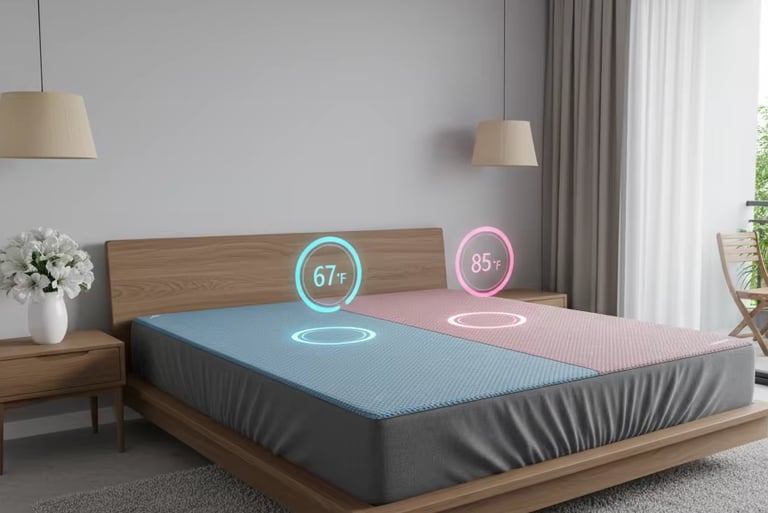
One growing category is temperature-controlled mattress toppers or pads. Research shows that when a mattress cover actively regulates temperature cooling or warming as needed. Sleepers often report better comfort and improved sleep quality, especially when they’re sensitive to heat or sleep in variable climates. MDPI+2Forbes+2
If your mattress tends to trap heat, or if you’re waking up hot, sweating, or tossing and turning, a good topper can help keep your body temperature in a sleep-friendly zone and reduce night awakenings. PMC+2Sleepopolis+2
Over time, this combination & consistent rhythm, clean habits, optimized environment, and smart gear becomes a powerful system. Instead of fighting sleep each night, the whole setup starts to work together and supports restful, deep, uninterrupted sleep more often than not.
When Habits and Environment Aren’t Enough
Even if you’re following great sleep habits and creating a restful bedroom, sometimes life or circumstances push sleep out of reach. Maybe it’s a warm climate, inconsistent temperatures, night sweats, or a mattress that traps heat. In those cases a “sleep toolbox” that includes smart gear can make a real difference and that’s where temperature-regulating bedding comes in.
Why Sleep Tools and Temperature Regulation Matter
As your body prepares for sleep it naturally cools down. If your room or mattress stays too warm, it can interrupt that cooling cycle, which in turn disrupts deeper sleep stages like slow-wave and REM sleep. PMC+2Eight Sleep+2
Research shows that when people use a temperature-controlled mattress cover or bedding one that helps keep skin and sleep surface temperature within a comfortable “thermo-neutral” zone perceived sleep quality improves, and many report fewer night awakenings and better comfort. MDPI+2SSRN+2
A stable, cool sleep surface becomes even more important for people who live in hot climates, tend to run warm at night, sweat, or live in a place where nighttime temperatures fluctuate. It's not always realistic to lower room temperature enough a bedding or mattress topper that regulates temperature can offer a practical, efficient way to address that. Sleep Foundation+2Sleep Foundation+2
For many, upgrading just the “sleep surface” mattress, mattress topper or bedding can be more cost-effective than replacing an entire mattress or overhauling a bedroom environment, while still yielding noticeable improvement in sleep. Sleep Foundation+2Sleepopolis+2
Who Benefits Most from Sleep Tools
Temperature-regulating bedding or mattress toppers tend to help people who:
Overheat at night, sweat, or wake up hot
Live in warm or variable climates
Have trouble with deep sleep or frequent wake-ups
Want to improve sleep without a full mattress replacement
Need bidirectional temperature control (cooling or light warming) — think change of seasons, hot summers and mild winters
Product Spotlight: Good Sleep Climate-Control Mattress Topper
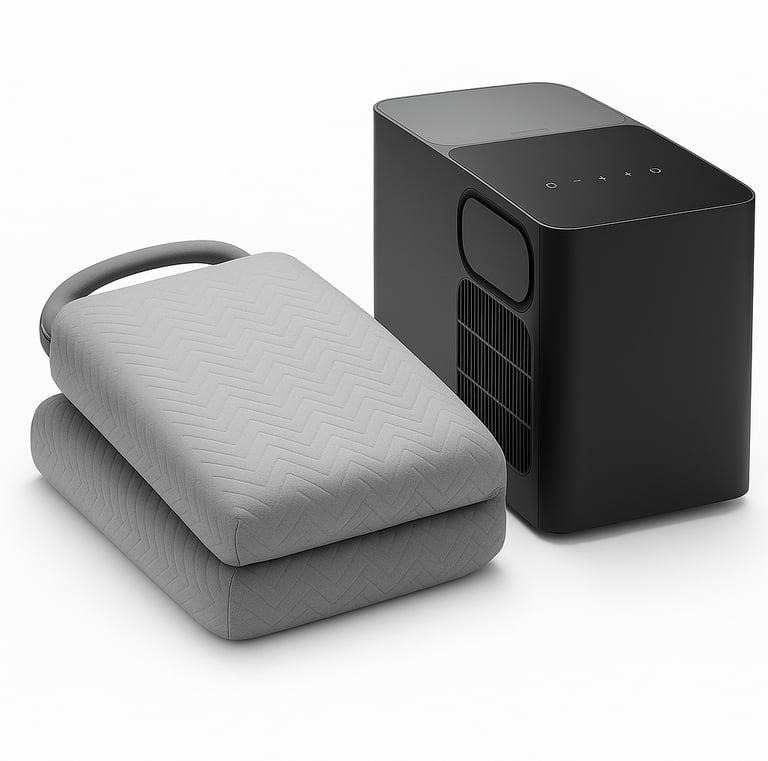
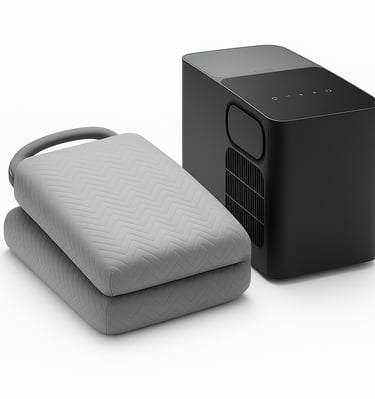
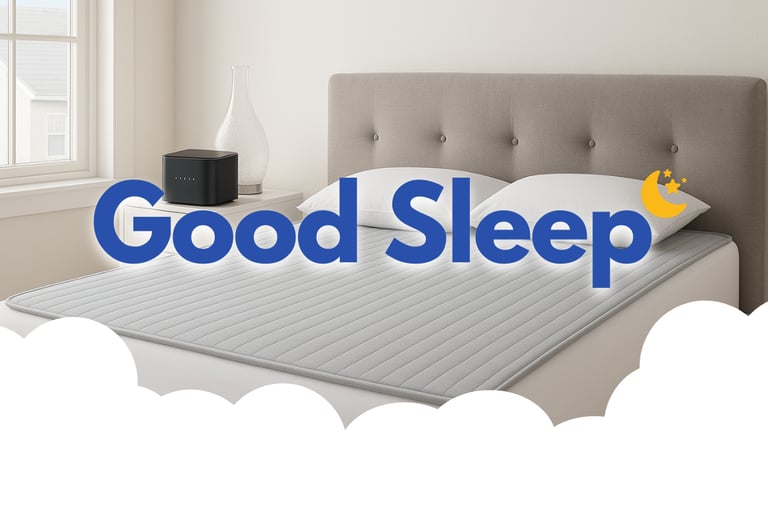
If you’re serious about improving sleep beyond basic habits and bedroom tweaks, the Good Sleep topper offers a practical upgrade. It sits on top of your mattress. Instead of relying only on ambient room temperature or bedding breathability, this topper actively regulates the temperature of your sleeping surface helping your body stay in that “just-right” zone for rest and recovery.
Why temperature control matters (and how this topper helps)
Sleep quality is tightly linked to your body’s temperature regulation. When your bed surface is too warm (or fluctuates in temperature), it can disrupt deep and REM sleep and make you more likely to wake up. PMC+2Sleep Foundation+2
Studies on temperature-controlled bedding (mattress covers/ pads) show people sleeping on a regulated surface report better subjective sleep quality, improved thermal comfort, fewer night awakenings, and more restful sleep overall. MDPI+2PMC+2
For individuals who run hot at night, sweat, live in warm climates, or share a bed with partners who prefer different temperatures — a climate-controlled topper can make a big difference. It helps keep the sleep surface cool (or warm in cooler seasons), preventing overheating or night sweats. Forbes+2Sleep Foundation+2
Compared with replacing a mattress or overhauling your bedroom environment, a topper is often a cost-effective way to upgrade sleep quality. Sleep Foundation+1
How the Good Sleep topper fits into a broader sleep toolbox
Think of the topper not as a stand-alone fix but as part of a layered approach:
First, you lay the groundwork with healthy habits (consistent schedule, wind-down routine, limiting caffeine/screens).
Then, optimize environment: dark, quiet, cool bedroom with breathable bedding.
Finally add the topper to fine-tune the temperature regulation of your sleep surface.
By combining all three, you give yourself the best chance for deeper, more restorative sleep night after night.
Ready to check it out? Explore the Good Sleep topper and see if it fits your needs.
Sample Good Sleep Plan A Real-Life Routine You Can Try
Use this as a guide for building a healthy, consistent sleep rhythm. Adjust times to fit your schedule, but try to apply the principles every day.
Why This Plan Works
Consistent wake-up and sleep times stabilize your internal clock and make it easier to fall asleep and wake naturally. CCI Health and Wellness+1
A calming pre-bed routine and screen curfew help your brain transition from “day mode” to “rest mode” boosting natural sleepiness and melatonin production. Sleep Foundation+1
Avoiding stimulants, heavy meals, and late naps reduces interference with sleep onset or sleep cycles. Harvard Health+1
A comfortable, cool, quiet, dark bedroom environment supports uninterrupted, high-quality sleep. Cornell Health+1
Adding in a temperature-regulated mattress topper or sleep surface helps fine-tune comfort and thermoregulation an important factor for deeper, more restorative sleep.
How To Use This Plan
Choose a target wake-up time and bedtime that allow for 7–9 hours of sleep (most adults benefit from 7–8 hours). MD Anderson Cancer Center+1
Implement one or two changes at a time (e.g. screen curfew, consistent wake-up time), then add more as habits settle in.
Track sleep quality note how rested you feel in the morning, how often you wake up at night, any temperature or comfort issues. Adjust routines or environment based on feedback.
If you’re using a temperature-controlled topper, make that part of your environment setup so your body temperature stays in a comfortable range during sleep.
Encouragement
Good sleep isn’t about perfection. It’s a combination of simple habits, a sleep-friendly environment, and when it makes sense smart tools. If you build the foundation slowly and consistently, the benefits add up.
When you commit to solid sleep routines and create a soothing bedroom, you’re investing in more than just better nights: you’re investing in sharper focus, stable mood, stronger health, more energy all parts of a better life. NHLBI, NIH+2U-M School of Public Health+2
Think of it like building a house. The routine and environment are the strong frame and insulation; quality bedding and a topper are the finishing touches that make it livable cozy, comfortable, and sustainable.
No matter how busy life gets, sleep doesn’t have to get left behind. Start with small changes. Stick to one new habit. When that becomes easy, add another. Over time the compound effect will show up in how you feel, how you think, and how you perform.
If you’re ready to go deeper and give your sleep the upgrade it deserves explore the sleep toolbox we laid out here. And if you want one of the tools that can make a noticeable difference, the Good Sleep Cooling & Heating Climate-Control Mattress Topper is waiting for you.
Take the first step. Tonight could be the night you start sleeping better.
Sleep Made Simple
We cut through the noise to share straightforward tips and insights on how to get good sleep, every night.


15,000+
15
Years of Help ❤️
Join Us
Our Recommended Products
Snapshots capturing peaceful moments of restful sleep.